Regulations that limit heavy metal pollution from oil- and coal-fired power plants will continue to be enforced by the EPA — at least for now — thanks to Supreme Court Chief Justice John Roberts.
On Thursday, Roberts unilaterally rejected a petition from 20 conservative-led states asking the court to temporarily halt the regulations. Halting the regulations would effectively allow power plants to emit unlimited mercury, arsenic, chromium, and other toxic heavy metals into the environment.
Led by Michigan, the states had asked the Supreme Court to stay the Mercury Air Toxics Standard — commonly referred to as MATS — while the D.C. Circuit court considers its legality. Last summer, the Supreme Court found that the EPA had not properly considered how much the rule would cost power plant operators, and ordered the EPA to do a proper cost-benefit analysis.
That analysis is expected to be done in mid-April, and then the D.C. Circuit is expected to take up the case. In other words, the regulations could still be struck down, depending on that court’s decision.
The states, however, argue that one month is too long to wait. At an estimated price tag of $9.6 billion per year, the rule is one of the most expensive EPA regulations in history. Some coal plants have already chosen to shut down rather than comply.
But the EPA argues that the costs will eventually be outweighed by benefits to public health. Due to reductions in harmful pollution, the agency argues, up to 11,000 premature deaths would be prevented every year; IQ loss to children exposed to mercury in the womb would be reduced; and annual monetized benefits would be between $37 billion and $90 billion.
On Thursday, Chief Justice Roberts decided to reject the states’ petition himself, rather than take it to the full court. That may have been because recently-deceased Justice Antonin Scalia led last summer’s decision, and a full court hearing would likely have resulted in a 4-4 split, which would have effectively rejected the petition anyway.
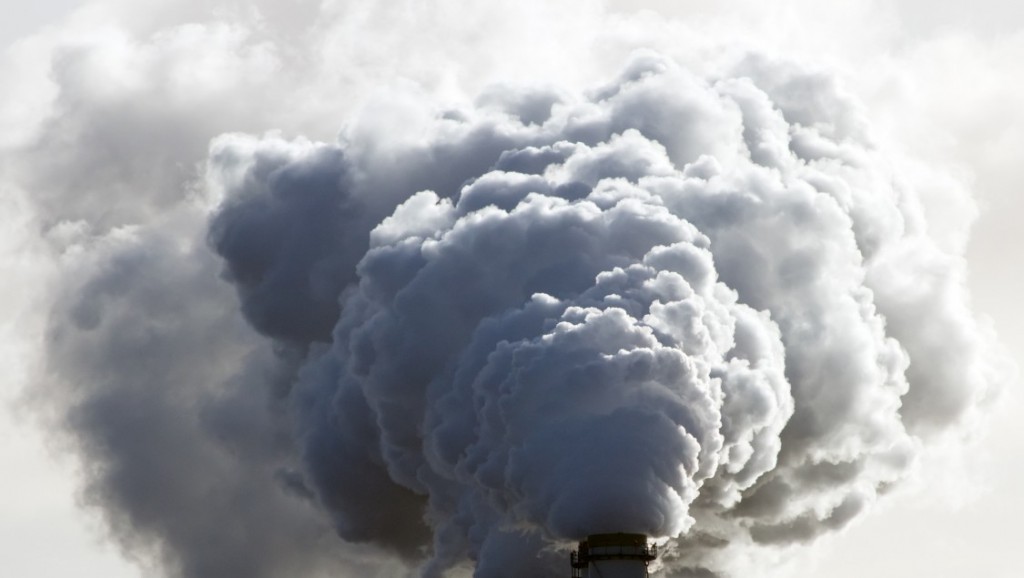
Coal- and oil-fired power plants are the largest industrial sources of toxic air pollution in the country, according to the EPA. Power plants are responsible for 50 percent of all U.S. emissions of mercury, a neurotoxin particularly dangerous to unborn children.